




Why your heat pump fan won't spin in Louisiana

Step 1 of 3: Equipment

A heat pump fan that won't spin is usually stuck for one of a few reasons. The capacitor that gives the motor its initial kick can weaken or fail outright, and the motor just sits there humming or doing nothing at all. A relay or control board can fail to send power to the fan even though the rest of the unit runs. Sometimes the motor itself has worn bearings and seized up, often after years of running hard to keep a Louisiana summer out of the house. If the outdoor fan is the one that's stopped, heat isn't moving the way it should, and in a house that heats with electricity, a system working against itself tends to show up on the power bill before anyone diagnoses why. A unit that won't move air also can't keep up on a hot, humid day, which is when you notice it first.

A gray outdoor air conditioner condenser unit on a concrete pad beside a house with horizontal siding and an electrical disconnect box, surrounded by grass.

What a failing capacitor sounds like

A capacitor near the end of its life doesn't always quit all at once. The fan motor may hum without turning, or it may turn slowly once given a push and then run fine. Heat you running a heat pump through humid Louisiana summers puts real hours on that part. A capacitor that's swollen or leaking at the top has already failed, even if the motor still hums when power reaches it.

A white outdoor heat pump unit on a concrete pad beside a house with horizontal lap siding, with a plain light wall and grass lawn to the left.

Why the outdoor unit matters here

The outdoor unit sits exposed to whatever the yard throws at it, and in Louisiana that means heavy rain, humidity, and the pollen and debris that come with a long growing season. Grass clippings, leaves, or a nest built against the fan motor can block the blade from turning even when every electrical part is sound. Since most homes here rely on electric heat too, a stuck fan can mean no relief in either direction.

A woman in a cream sweater and jeans stands in the open doorway of a white stucco house, holding the dark door, while a man in a dark quilted jacket seen from behind walks toward the entry past potted plants.

When the outdoor fan sits still, the house feels it fast

A heat pump moves heat instead of making it, and that outdoor fan is what lets the unit dump heat outside in summer or pull it from the air in winter. When it won't spin, the system can't do that job, and the indoor air stops matching the thermostat setting. In a Louisiana summer that shows up quickly as rooms that stay warm and sticky no matter how low you set it. In winter, with electric heat carrying most homes here, a stuck fan means the heat pump struggles to pull warmth from outside air at all.

Either way, the system keeps trying. The compressor can keep running even with a dead fan, and that usually means a service call before long, either from the strain on the unit or from a breaker that trips to protect it. Once you send in the details of what your fan is doing, or not doing, a contractor who works on heat pumps in your area will reach out to look at it. You won't have to track down who's available or who answers the phone first.

Interior corner of a room with a window and sheer curtain at left, a gray upholstered sofa with a cushion at right, and a round wooden table holding stacked books and a round vase with an olive branch.
A gray outdoor condenser unit sits on a concrete pad beside a house with horizontal lap siding, with a wall-mounted disconnect box and refrigerant lines, mulched beds and a shrub nearby, and a concrete walkway in the foreground.

Fan spinning, unit doing its job

Air moves freely around this condenser, and the fan pulls it through without strain. The disconnect box and wiring are intact and dry. A unit set up like this, clear of mulch and debris against the housing, has a better chance of running the way it should through a Louisiana summer.


An outdoor air conditioner condenser unit on a concrete pad beside a light gray vinyl-sided house, with an electrical disconnect box and conduit on the wall and bare soil in the foreground.

Fan stopped, heat going nowhere

The refrigerant lines are still full and the disconnect box still has power, but if the fan inside isn't turning, none of that moves heat anywhere. A heat pump in this state will keep drawing power without cooling the house, which shows up on the bill before anyone finds the cause.

A woman with long wavy brown hair in a grey ribbed sweater sits on a couch indoors, looking toward a window, with a potted palm-like plant and fireplace behind her.
A woman with long brown hair wearing a green V-neck top and beige cardigan sits on a light sofa, looking off to the side, with a dining table, lamp and framed picture in the background.
A woman with long dark hair in a cream knit sweater sits on a beige sofa indoors, looking toward a bright window with a houseplant and framed picture in the background.
A woman with long dark hair in a green knit sweater sits on a couch indoors, smiling and looking toward a window with a blurred room behind her.

Fan hums but doesn't turn

The motor is getting power but can't start spinning on its own. This usually points to a weak capacitor, and it tends to get worse, not better, on its own.

I'm done searching

Fan is dead silent

No hum, no movement at all. That points past the capacitor to the motor itself, a relay, or the control board, and it's worth having someone look before you run the system again.

I'm done searching

Can I just replace the fan motor myself?

You've got the panel off and you're looking at the motor, figuring you could just order the part and swap it yourself. It's tempting, especially with the house getting warm and every day you wait feeling like another day of discomfort for whoever's home.

It's possible, but the diagnosis has to be right first

A new motor won't help if the real problem is the capacitor or the control board sending it power. Motors are also wired to a specific unit, matched to the right horsepower and rotation, and putting in the wrong one can burn it out fast or trip the breaker. There's also refrigerant running through the coil right next to where you'd be working, and the electrical disconnect needs to be pulled and checked before anyone touches the wiring. A contractor can confirm which part actually failed before any money gets spent on one that doesn't fix it.

A gray outdoor condenser unit on a concrete pad beside a light-colored horizontal-siding house, with a disconnect box and refrigerant line on the wall, ornamental grasses and a shrub in mulch nearby, and a concrete patio in the foreground.

Working normally

This condenser sits clear of the grasses and shrub beside it, lines running clean to the disconnect box. Air passes through the coil without resistance and the fan turns the moment the system calls for it. In Louisiana humidity, that steady airflow is what keeps the house from creeping up a degree at a time.

An outdoor condenser unit sits on a concrete pad beside a house with horizontal vinyl siding, with a gray electrical disconnect box and conduit on the wall and a shrub at left.

Fan in trouble

Same setup, same disconnect box, but something inside is keeping that fan from turning. It might hum and sit still, or give nothing at all. Either way, heat that should be leaving the house is staying put, and a unit that can't move air can't do the other half of its job either.

An older woman with gray hair in a bun and glasses, wearing a beige knit sweater, smiles while looking to the side in a warmly lit kitchen, with a loaf of bread on the counter in the foreground and a snowy scene outside the window.
A woman and a child wrapped together in a knitted gray blanket on a couch, with the child's head resting on her shoulder and a lit table lamp and houseplant in the background.

Get the right pro for your heat pump

Get the heat pump repair search off your mind today.

Asking costs nothing, and the choice to hire stays yours.

  1. Thermostat calls for cooling or heat, sending power to the contactor.

  2. The contactor closes, feeding power to the capacitor and fan motor.

  3. The capacitor gives the motor the jolt it needs to start turning.

  4. The motor spins the fan, pulling air through the outdoor coil.

What do you notice when the fan isn't spinning?

Stand near the outdoor unit and you'll either hear a hum with no air moving, or nothing at all. Inside, the air coming from the vents turns warm, or just stops being cold, even though the thermostat still shows it's running. In Louisiana humidity, a stalled fan means the house starts picking up moisture fast, and a few hours is enough to feel it in the air. Left alone, the compressor inside is still trying to work without the fan moving air across the coil, and that's hard on a part that costs far more to replace than the fan itself.

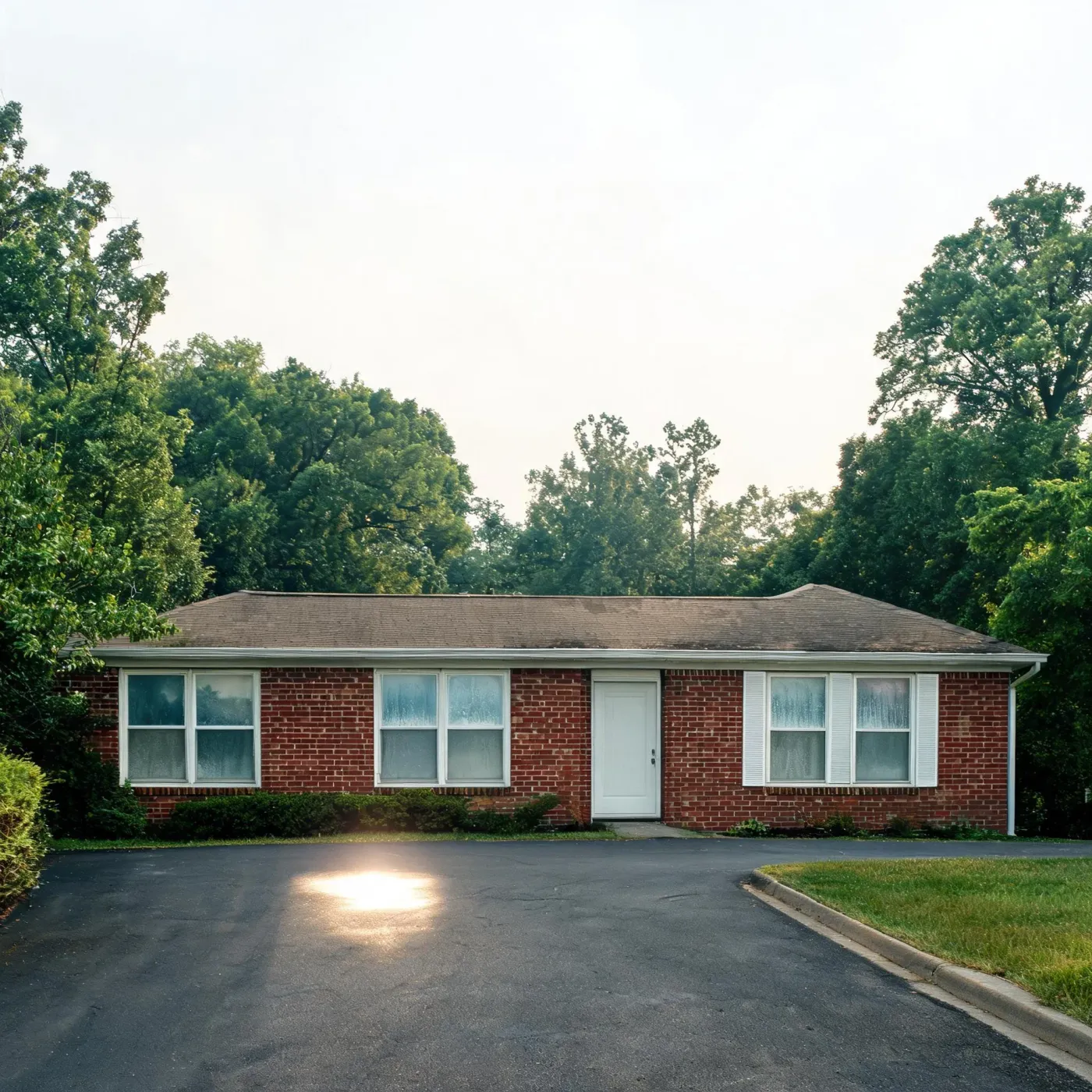
A single-story red brick ranch house with a white door, white-trimmed windows and a shingled hip roof, fronted by a wide asphalt driveway with sunlight glare, surrounded by green deciduous trees under a pale sky.

NOAA puts the summer dew point across Louisiana at 73°F on average for June, July and August. That's heavy, sticky air, the kind that sits on your skin even in the shade. A heat pump works harder against air like that, and the outdoor fan does a lot of that work, pulling air through the coil so the unit can dump heat outside. When the fan won't spin, the coil can't shed that heat, and with dew points this high, the air inside stops cooling fast. You'll likely notice it within the hour, not by the end of the day.

NASA POWER T2MDEW county cells weighted by homes

Call Now or Wait It Out

Call for repair now

  • A capacitor that's already weak won't recover on its own, and the strain of a Louisiana summer tends to finish it off fast.
  • Getting someone out while the fan still hums, even weakly, gives a contractor more to diagnose than a dead motor with no signal at all.
  • The compressor can overheat and shut itself down if it keeps trying to run without the fan clearing heat from the coil.
  • A stuck fan now often means a bigger repair later, since the motor or compressor can take the damage the capacitor was supposed to prevent.
  • Once the form is sent, finding someone to look at it stops being on you, and the house gets back to cooling or heating sooner.

Wait and see

  • A silent fan with no hum at all usually points past the capacitor to the motor, a relay, or the control board, and that doesn't fix itself by waiting.
  • Running the system with the outdoor fan not turning pushes the compressor to work against heat it can't release, in the kind of humid heat Louisiana gets most of the year.
  • Every day without airflow is a day the indoor temperature drifts further from what the thermostat is asking for.
  • Holding off doesn't lower the eventual repair, and it raises the odds that a failed capacitor takes the motor down with it.
A gray outdoor condenser unit on a concrete pad beside a light green lap-sided house, with a wall-mounted electrical disconnect box, mulch bed with shrubs, river rock, and a paved walkway in the foreground.
Clear coil, open airflow, the fan turns the second the system calls for it.
An outdoor air conditioner condenser unit on a concrete pad beside a house with horizontal lap siding, with refrigerant lines entering the wall and a shrub on bare soil to the left.
Coils caked with debris make the motor strain, and that's often where a failed fan starts.

Power costs 12.52 cents per kilowatt-hour statewide

At 12.52 cents per kilowatt-hour, running a heat pump here doesn't carry the sting it does elsewhere, which is part of why so many Louisiana homes lean on electric heat and cooling instead of gas. That makes a stuck fan feel more unfair than expensive. The system should be working for you at a fair price, not sitting dead in the heat.

EIA-861 2025 statewide residential average

Where this leaves your system

  • A heat pump fan that won't spin almost always traces back to a failed capacitor, a bad motor, or a relay that never closed.
  • A hum with no movement points to a different problem than dead silence, and that distinction shapes the repair.
  • Left alone, a weak capacitor tends to fail completely rather than recover on its own.
  • The outdoor fan is doing real work against Louisiana humidity, and a stalled one shows up indoors fast as warm air.
  • Clear airflow around the unit and a dry, intact disconnect box both matter to how long a fan motor lasts.
  • Once the fan has been diagnosed, a contractor can tell you exactly what part failed and what it takes to fix it.

A stalled fan on a heat pump almost always comes down to one of a few parts: the capacitor, the motor itself, or a relay that isn't closing the way it should. Whether you hear a hum or nothing at all tells a contractor which of those is the likely culprit before they even open the panel. That matters because a capacitor on its way out doesn't get better with time. It gets worse, usually fast, and a Louisiana summer pushes it along quicker than milder weather would. In the meantime, the house feels it. The outdoor fan is the part of the system doing the work of moving heat against thick, humid air, and when it stops, warm air at the vents follows within hours, not days. What's around the unit matters too. A disconnect box that's stayed dry and airflow that hasn't been choked by mulch or overgrown shrubs both give a fan motor a better chance at a normal lifespan, though neither one undoes a part that's already failed. None of that changes what happens next on your end. Once a contractor has looked at the unit and named the actual part, you're not the one tracking down what's wrong anymore. That part is done. What's left is a repair with a clear cause, not a guess.

A living room corner with a beige upholstered sofa, cushion and knit throw, a potted green plant in a woven basket, a framed botanical print on a taupe wall, and a window with foliage outside.
Sunlit room corner with a paned window, sheer cream curtain, a leafy plant in a woven basket on a wood floor, and a textured jute rug.
Sunlit room corner with a white-framed window overlooking green foliage, a wicker basket holding a cream knit blanket on a wood floor, and a woven rug in the foreground.
A woven basket holding folded cream blankets sits in a corner on a wood floor beside a linen curtain and window, with window-frame shadows cast on the beige wall.
Sunlit room corner with a potted variegated plant in a woven basket on a wood floor, a linen curtain beside a multi-pane window showing green trees, a framed artwork at upper left, and a jute rug in the foreground.

A pro who works on heat pumps

Once you send the form, finding a pro is off your list.

Hand off my repair

No fee to send it, and nothing to sign.