Profile view of a bearded man wearing a black baseball cap and a dark gray T-shirt against a plain light background.

Is a dual fuel heat pump worth it in Louisiana

Step 1 of 3: Equipment

Probably not. A dual fuel system pairs a heat pump with a gas furnace that kicks in once outdoor temperatures drop low enough that the heat pump struggles to keep up. Louisiana rarely sees that kind of cold, and most homes here already heat with electricity, not gas. Your heat pump can handle the winters here on its own, running in reverse to pull heat from outside air even on the coldest nights the state gets. Adding a furnace means adding a gas line if you don't already have one, plus the furnace itself, for backup heat you'd use only a handful of days a year, if that. Where dual fuel earns its keep is in places with long, hard winters, where a heat pump alone would run constantly and lose efficiency. That is not what your winters look like. The better question for your house is whether the heat pump you have is sized right and running well for the heat and humidity it actually has to handle here.

An outdoor condenser unit on a concrete pad beside a gray lap-sided house, with an electrical disconnect box and conduit on the wall and shrubs with mulch to the right.
Your heat pump handles a Louisiana winter fine on its own, with no gas backup standing by for cold it rarely sees.
An outdoor air conditioner condenser unit on a concrete pad beside a house with horizontal vinyl siding, with refrigerant lines and an electrical disconnect box on the wall and dry leaves on the ground.
Once coils stay caked in grime and dead leaves pile around the base, the unit works harder and heat suffers, dual fuel or not.
A man in a blue sweatshirt reclines with closed eyes in a brown leather armchair in a living room with a bookshelf, houseplant, sofa, window, and a side table holding newspapers and a dark mug.
A bearded man in a gray pullover reclines with closed eyes on a brown leather sofa in a sunlit room with a window, framed picture, potted plant, and a wooden cabinet holding papers and a dark mug.
A man in a gray sweater leans back with closed eyes in a brown leather armchair beside a wooden side table holding a dark mug and a folded newspaper, with bookshelves and a window seat behind him.
A man in a green sweater reclines in an armchair with his eyes closed and a slight smile, beside a window with plants, a small table holding a mug and folded newspaper, and bookshelves behind him.

Heat Pump Alone or Add Gas

Keep the heat pump alone

  • Louisiana winters rarely push temperatures low enough for a heat pump to lose its edge over gas.
  • Electricity here is cheap, so running the heat pump through the few cold snaps you get costs you less than installing a second fuel source.
  • There's no furnace, gas line, or vent to maintain, which means one less system that can fail on you.
  • A straight heat pump setup is simpler for a contractor to service, since there's only one type of equipment to check each visit.
  • Most homes in this state are already wired for electric heat, so your ductwork and setup match what a heat pump needs without changes.

Add gas backup

  • A gas furnace only earns its keep on the handful of nights each year cold enough to strain the heat pump, which Louisiana sees rarely.
  • Installing a furnace means running or tapping a gas line, adding cost and complexity most homes here don't already have in place.
  • You'd be maintaining two heating systems instead of one, with a furnace that sits unused most winters.
  • If your home never had gas service, adding it just for a few cold nights a year is a lot of infrastructure for little return.
  • Dual fuel setups make more sense in climates with long stretches of hard freezes, which isn't what you're dealing with here.
A gray outdoor condenser unit on a concrete pad beside a light-green sided house, surrounded by mulch, ornamental grasses and a shrub, with mowed lawn in the foreground.

A heat pump that's kept up with maintenance

This unit sits clean on its pad, clear of mulch and grass clippings, with good airflow on all sides. Coils like this move heat efficiently down into the 30s and 40s, which covers nearly every cold morning Louisiana sends.


An outdoor condenser unit on a concrete pad beside a horizontal-sided house, with insulated refrigerant lines running to a wall-mounted box, surrounded by bare dirt.

A heat pump left to wear down

This one's older, the siding around it weathered, and nothing about its upkeep looks regular. A neglected unit loses capacity before its time, and no backup furnace fixes a coil that's been ignored for years.

Why does your heat pump struggle on the coldest mornings

A few nights a year, temperatures drop into the 20s or high teens, and you notice the air coming from your vents feels cooler than usual, or the unit runs a long time without the house feeling any warmer. That's your heat pump working at the edge of what it can pull from cold outdoor air. You might also hear it click into defrost, pause, then start back up. None of this points to a failing system. It's what a heat pump does on a hard freeze. If the coil outside is dirty or the airflow around it is blocked, that struggle starts at a milder temperature and the house takes longer to catch up.

A gray outdoor heat pump unit on a concrete pad beside a house with horizontal lap siding, connected by conduit and a flexible line to a wall-mounted disconnect box, with low shrubs and mulch nearby.

A heat pump running clean

This is what a heat pump doing its job looks like. Clear pad, open airflow, lines running straight to the house. Kept this way, it handles the occasional 20s or 30s morning and does your heating and cooling both, without a second system sitting idle most of the year waiting for cold that rarely comes.

An outdoor air conditioner condenser unit on a concrete pad beside a house with horizontal siding above a concrete block foundation, with insulated refrigerant lines and a vertical white pipe on the wall.

A heat pump left to struggle

Grime on the coils and leaves banked against the base make any heat pump work harder, gas backup or not. A unit in this shape loses capacity right when a cold snap tests it, and the fix is cleaning it up and servicing it, not adding a furnace it was never going to need.

An outdoor air conditioning condenser unit with dusty coils sits on a concrete pad against light horizontal siding, with an electrical disconnect box and refrigerant lines on the wall and a shrub and mulch at left.
Before you get your heat pump installation
A gray outdoor heat pump unit on a concrete pad beside a house with horizontal lap siding, with a conduit running to a wall-mounted disconnect box and a green shrub to the left.
After you get your heat pump installation
A beige outdoor condenser unit on a gray pad beside a house with gray horizontal siding, with refrigerant lines and an electrical disconnect box on the wall, bordered by dark mulch, a stone retaining wall with shrubs, and a paver walkway.

Finding a pro stops being your job

Your request stays with one local pro.

Send the form and stop researching installers for the new heat pump.

Find a licensed pro

You're not committing to anything by asking.

How does a heat pump actually keep heating when it gets really cold out?

You're probably picturing the system switching over to some other heat source once it gets cold, the way a furnace kicks on. A heat pump doesn't have a second source to switch to. It just keeps doing the same thing it does in July, pulling heat out of outside air and pushing it into your house, and you want to know how that still works when the air outside has lost most of its warmth.

It runs the refrigerant cycle in reverse and leans on it harder

A heat pump moves heat, it doesn't create it. Refrigerant in the outdoor coil absorbs whatever warmth is in the outside air, even air in the 30s and 40s still has heat in it, and a compressor carries that refrigerant inside where it gives up that heat through the indoor coil. In summer the same system runs the other direction, pulling heat out of your house. As outdoor air gets colder there's less heat to grab, so the compressor runs longer and works harder to move the same amount into your home. That's why a heat pump keeps you warm down into the 30s and 40s without switching to anything else. It only starts losing ground once temperatures drop into the 20s or below, which is a handful of mornings a year here.

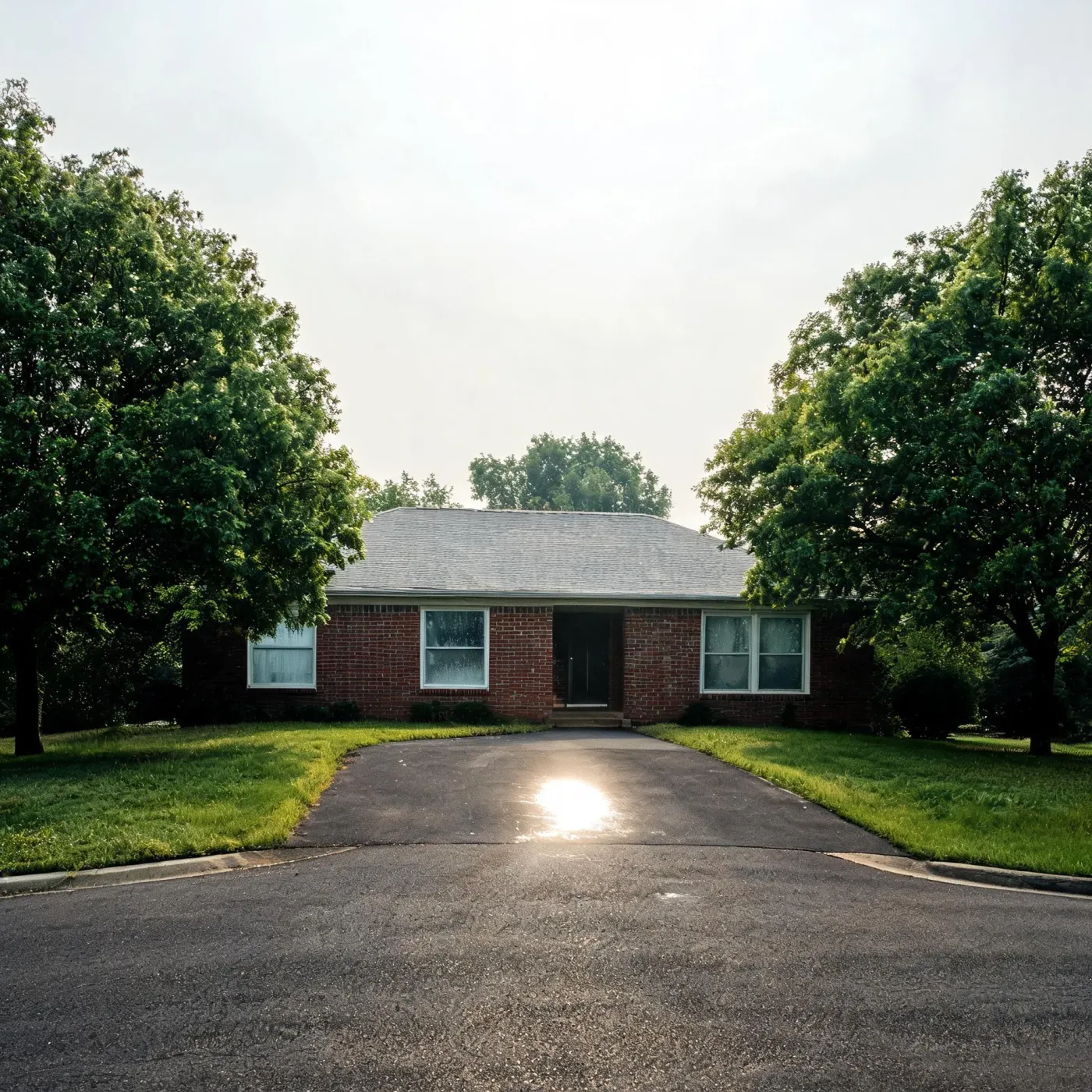
A single-story red brick ranch house with a gray shingled roof, white-framed windows and a central dark front door, fronted by a wide asphalt driveway, green lawn and large deciduous trees on both sides under a bright hazy sky.

That same heat pump has a summer job too, and it's the harder one here. Louisiana's summer dew point averages 73°F, a level where the air feels heavy and damp no matter what the thermostat says, according to NOAA climate data. Pulling that moisture out is what wears on the system, not the mild winters. The heat pump has to run long cycles just to keep the house from feeling sticky, and a dirty coil or weak airflow shows up fast as rooms that stay cool but still feel damp. None of that calls for a second fuel source. It calls for the heat pump doing its one job well, summer and winter both.

NASA POWER T2MDEW county cells weighted by homes

An older man with gray hair and a beard leans back on a beige sofa with his eyes closed, in a sunlit room with potted plants, a wicker chair and large windows behind him.
A woman in a cream knit sweater sits in an armchair with her eyes closed and a slight smile, beside an open window showing orange autumn foliage, with a mug, books and a lit candle on a small side table.

The heat pump you have is enough

  • For most homes in Louisiana, the heat pump alone handles winter without a backup furnace to install or maintain.
  • A dual fuel setup adds a second fuel line and a second set of parts with little payoff when cold snaps are rare and short.
  • What decides the outcome here is upkeep: clean coils, clear airflow, and a unit free of leaves and grass clippings.
  • A licensed local contractor who services this equipment all year knows which parts tend to fail first in this climate.
  • Working with one contractor means one visit and one assessment, not a round of competing bids and calls to sort through.
  • Your cheapest path to a warm house this winter is usually the system you already have, kept in good working order.

Dual fuel solves a problem most homes in Louisiana don't have. Your winters don't get cold enough or stay cold long enough to justify a gas furnace sitting next to your heat pump waiting for a handful of mornings a year. The system already in your yard, kept clean and clear, covers the cold you actually get.

What it comes down to is maintenance, not a second fuel source. Coils free of leaves and grass clippings, good airflow on all sides, a unit that hasn't been left to work harder than it should. That's what gets you through the 20s and 30s without the air going cool on you.

If you want someone to look at the unit before winter settles in, you'll be matched with one licensed contractor local to Louisiana, not a handful of companies bidding for the job. Someone who services this equipment through every summer and winter here knows what tends to wear out first in this climate, whether that's a coil that's been neglected or a part that's done more work than it should have. One visit, one straight answer about what your system needs, and nothing more to sort through on your end.

The question was never whether to add a furnace. It's whether the heat pump you already have is set up to do what it's built to do. For most houses here, it is.

A gray outdoor air conditioner condenser unit on a concrete pad beside a house with horizontal lap siding, with an electrical disconnect box and conduit on the wall, a downspout, gravel edging and a green lawn with trees to the right.

Let someone else find the pro

Find a local pro

Your request goes to one pro, not a list of companies.

It costs nothing to send, and you don't have to hire anyone.